Expertise · Research & Strategy

Clear priorities start with a clear view.

We research business objectives, audiences, markets and the way work actually happens, then turn what we learn into priorities and direction your team can act on.

When it’s relevant

  • You are planning a new product, service or brand direction and want to start from evidence.
  • Different teams see the opportunity differently and want a shared picture.
  • An existing experience is due for review before the next investment.
  • A brief exists, and you want to test it against real conditions.

What we contribute

  • Stakeholder interviews
  • User research
  • Market and competitor review
  • Experience assessment
  • Analytics review
  • Journey mapping
  • Brand strategy
  • Digital strategy
  • Content strategy
  • Opportunity definition
  • Information architecture

How we approach it

Define &ExploreDesign &DevelopOptimizenew evidence,changing needs
  1. Define & ExploreWe agree the decisions the work should inform and how we will learn about them.
  2. Design & DevelopWe gather evidence, make sense of it together and shape a clear strategy and priorities.
  3. OptimizeWe revisit the strategy as new evidence arrives and as the work it guides moves forward.
  4. Then the loop starts again at Define & Explore.

Information architecture

Information architecture is organizing the content of a website, an application or an intranet so that people can find what they are looking for: what goes where, what it is called, and how menus and search work. When it is done well nobody notices; when it isn’t, people get lost, content duplicates itself and the same questions keep being asked. We cover it in more depth in What is information architecture, and why does it matter?, and set out the steps for a large site in this guide.

We treat information architecture as the bridge between strategy and design. We take stock of the existing content, talk to stakeholders and users, shape the content structure, navigation and labels, and validate them with users. The resulting structure feeds directly into UX/UI design and development.

We applied this approach to moving the İSKİ website onto a new platform, to the websites of the Ministry of Interior and its affiliated units, to Yıldız One, Yıldız Holding’s employee and business portal, and to Control Tower, its fleet management platform. Examples are on the Work page.

Common questions

What does information architecture consulting include?

Usually an inventory and assessment of the existing content, user and stakeholder research, the sitemap and content structure, navigation and labelling, the search and classification model, and rules for keeping the structure in shape after launch. We agree the scope together, depending on the size of the project.

When should information architecture work happen?

Before design and development start: when a new site or portal is being built, when an existing site moves to a new platform, when several sites come together under one roof, or when content has grown to the point where people can no longer find what they need. Fixing it later is harder and more limited.

How is information architecture handled when a large corporate website is migrated?

We start by listing all the existing content and addresses, then decide what stays, merges or goes based on usage data and user needs. As the new structure is built, every old address is redirected to its new counterpart, so neither people nor search engines lose their way.

Why should research come at the start of a project?

Because the most expensive mistake is solving the wrong problem. Stakeholder interviews, user research and an assessment of the current experience make clear what really matters and where to start. The team works from a shared view rather than assumptions, and design and development decisions become easier.

Related work

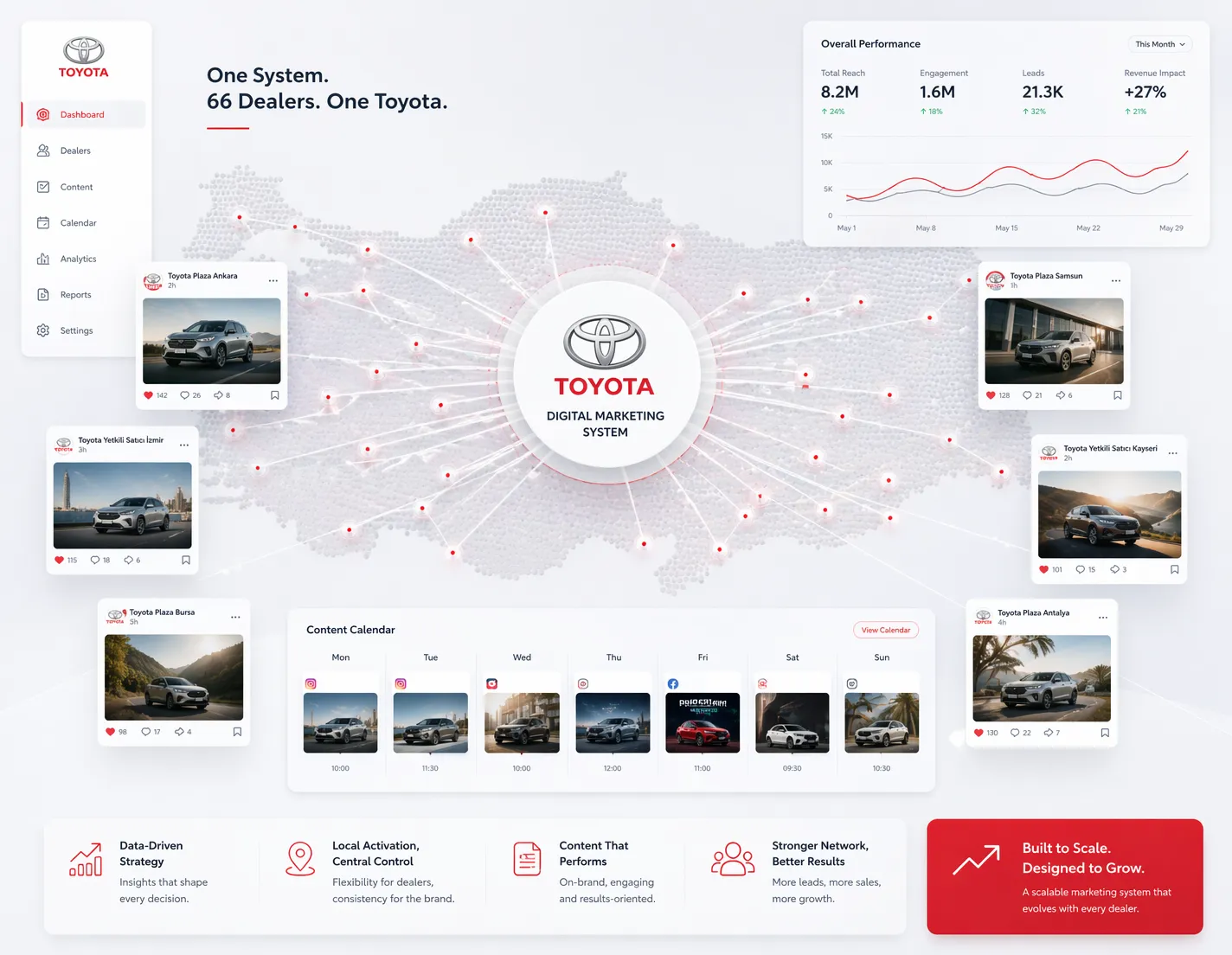
Toyota dealer network system: dealer map, content calendar and performance dashboard

Toyota

Toyota dealer network: channel management

A distributed marketing model for Toyota’s network of 66 dealerships. Central planning keeps every dealership aligned with the brand, while each one can act locally. Dedicated teams handle media planning, content production, channel management and reporting day to day.

Efabrika’s role: Efabrika designs and runs the model, from strategy and media planning to content, reporting and the supporting technology.

  • Research
  • Strategy
  • Creative Operations
  • Multi-location
  • Media Planning
  • Reporting
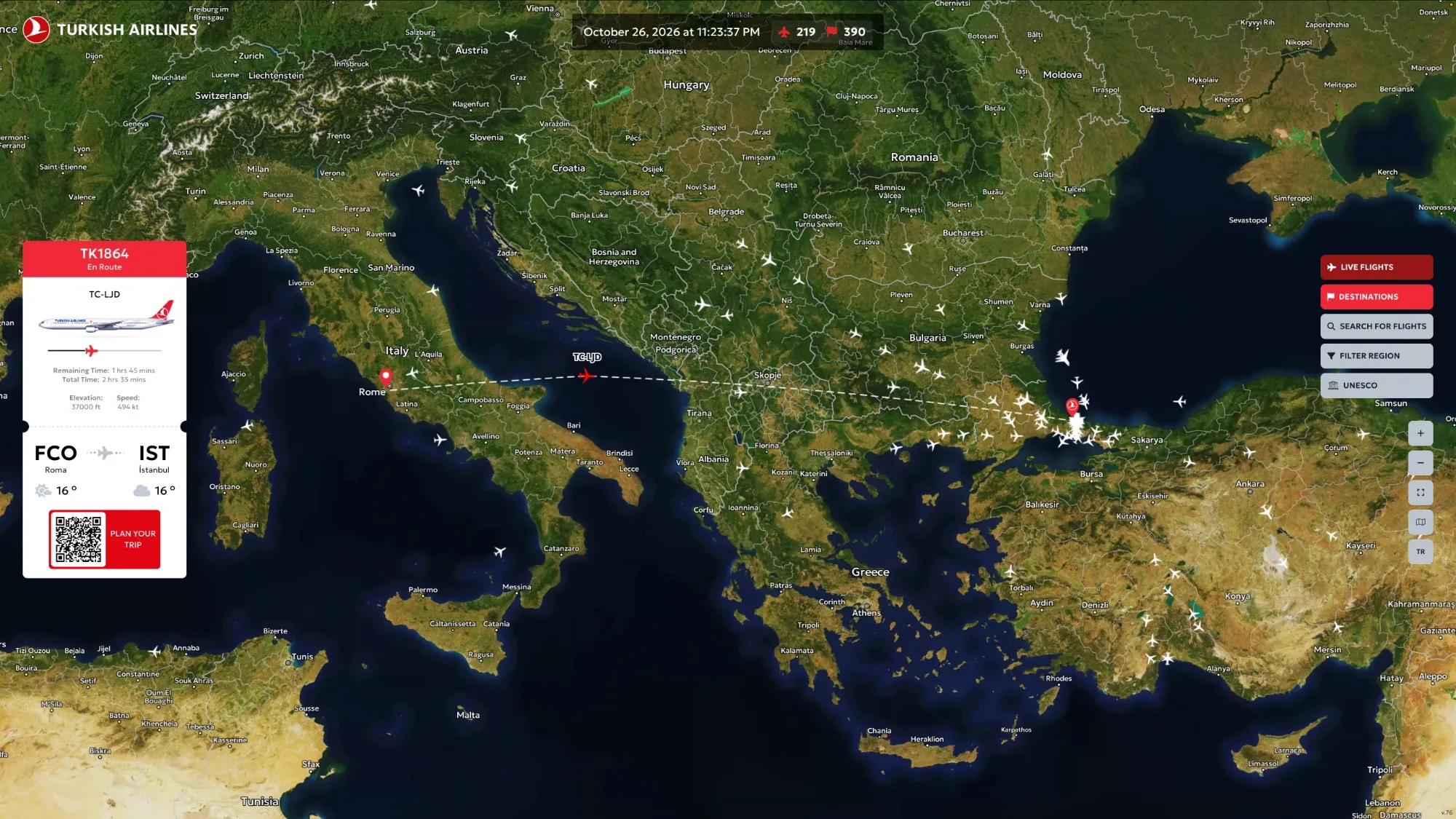
Turkish Airlines Flight Tracker: a live map of the airline’s flights, with the details of flight TK1864 from Rome to Istanbul

Turkish Airlines

Flight Tracker

A live flight-tracking experience for Turkish Airlines, on airport kiosks and beyond. It shows where aircraft are, how often routes are flown and which destinations they reach, with a city guide for each destination. The same live data is also provided as a feed to other platforms.

Efabrika’s role: Efabrika covers research, strategy, UX/UI design, development and the data feeds, and keeps evolving the product.

  • Research
  • Product Strategy
  • Brand Identity
  • UX/UI Design
  • Development
  • Data Integration

Ways to engage

Tell us what you’d like to understand better.

Share the decision ahead of you. We’d like to hear what you know and what you’d like to find out.